This weekend, my 11 year old son and I listened to the War on Cars podcast episode about a new book by Sara C. Bronin called ‘Key to the City: How Zoning Shapes our World’.
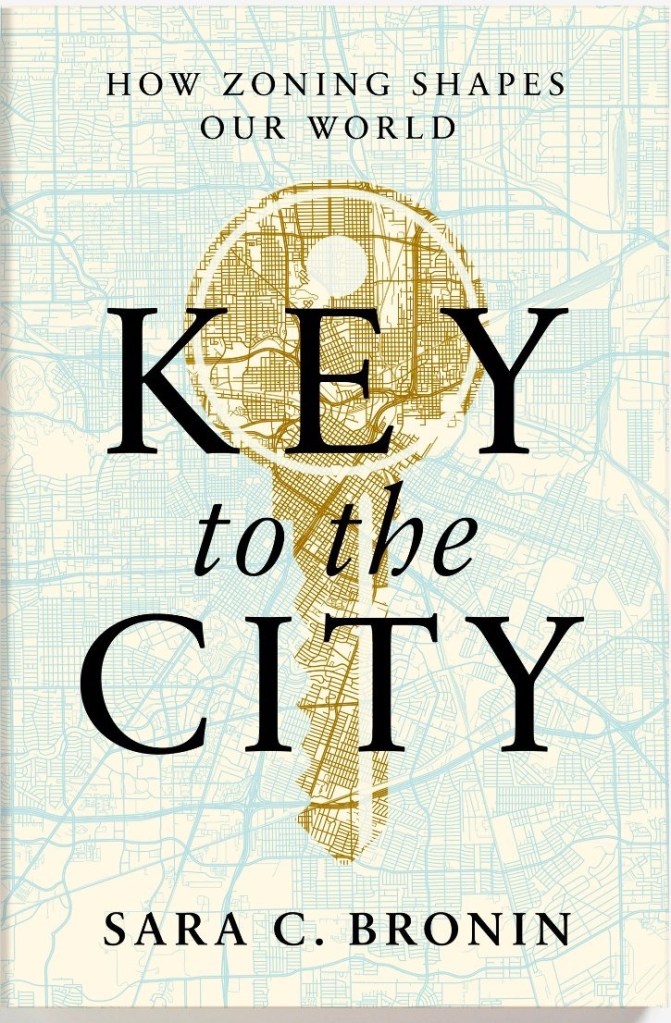
I haven’t read the book yet but excited to get a copy. This is timely for me as I’m working on finishing the writing of a book chapter on ‘Chatting with Your Zoning Code: Leveraging LLMs for Real Estate Development.’
Bronin’s perspective on zoning as a hidden force shaping our communities resonates with the work I’m doing on how large language models (LLMs) like ChatGPT can transform real estate development by making zoning codes more accessible and intuitive.
In our chapter, we explore how LLMs offer unprecedented benefits for navigating zoning and land use regulations, which are often complex and overwhelming. With their ability to process vast datasets and provide insights through natural, conversational interfaces, LLMs can democratize access to zoning information. They enable developers, architects, planners, and even community members to engage with regulations in real-time without needing deep legal or planning expertise.
For instance, LLMs can quickly summarize dense regulatory documents, interpret zoning allowances, and outline steps for variances or rezoning, drastically reducing the time and cost associated with the traditional approval process.
Beyond accelerating approvals and cutting costs, LLMs have the potential to increase public participation in the planning process. With AI-powered tools, community stakeholders can easily query zoning requirements and visualize potential developments, making urban planning more transparent and inclusive.
Imagine community meetings where residents can ask real-time questions about how a proposed project aligns with zoning or affects neighborhood density, traffic, and green space. LLMs make it possible for everyone to understand and contribute to the planning process, bridging gaps between technical details and public needs.
Bronin’s insights on zoning’s impact on our built environment underscore the importance of rethinking these regulatory frameworks. By integrating LLMs, we can not only demystify zoning codes but work to create better cities and places that people love.
 Professor John L. Renne
Leave a comment